When you buy at auction, you buy unconditionally. The hammer falls, you’re bound, and the deposit is due there and then. No finance condition, no LIM or builder’s report condition, no title condition. Nothing to fall back on if something turns up afterwards.
That doesn’t mean the checks don’t happen. They just happen earlier, before you bid, at your own cost, and without knowing whether you’ll get the house.
What an auction purchase means for you
In a private sale you usually sign a conditional agreement first and do your checks after. We go through the usual conditions in what to include in your offer: finance, LIM, building report, title, each typically around ten working days. For some purchases, one broad due diligence condition does the same job in a single clause. Either way you have a window to look properly, and to walk away with your deposit if you’re not happy.
At auction that window is gone. In practice:
- The seller sets the auction terms before the auction. You bid on them as they are. If you want anything changed, it has to be agreed with the seller before auction day.
- If yours is the winning bid when the hammer falls, you’ve bought it. You sign the agreement and pay the deposit as soon as the auction is over, whether you bid by phone or online.
- The settlement date is whatever the auction terms say.
- If you then can’t settle, for example the bank won’t lend on the property or you can’t get insurance, you are still bound. The seller can usually cancel, keep the deposit and claim against you for their losses.
- If there’s unconsented work on the property, sorting it out with council after you own it (for example applying for a certificate of acceptance) is your time and your cost.
Why we do a due diligence review before every auction
When a client tells us they’re bidding, we ask for the auction pack straight away. Title, LIM, the auction terms and anything else the agent has. Then we do a due diligence review.
It is high level. We’re not builders or engineers and we don’t replace them. What we do is read the documents together and pick out the questions that need an answer before you bid, while you can still walk away. Often the answer is fine. Sometimes it isn’t.

What gets checked before you bid
- Title: ownership, mortgages, easements, covenants, consent notices. For a cross lease, whether the flats plan matches what is actually on the ground. For a unit title, the disclosure statement and body corporate records.
- LIM: building consents and code compliance certificates, hazards, drainage, anything outstanding with council.
- Council property file: the actual consents and plans. It shows what was signed off, and just as useful, what wasn’t.
- Building report: from a qualified builder or inspector. If the report flags something, a builder’s closer look.
- Auction terms: deposit, settlement date, chattels, and anything the seller has added or disclosed.
- Finance and insurance: the bank’s approval of this particular property, not just a pre-approval, and confirmation you can insure it from settlement.
None of this is exotic. It’s the same ground the conditions in a private sale would cover. The difference is timing, and that it all has to fit in the few weeks (or days) between the listing and auction day. A LIM can take up to ten working days unless you pay for an urgent one, and the bank and insurer often want answers on the same things we’re asking about. So the earlier we see the pack, the better.
A recent example: the sellers who hadn’t looked
We acted recently for a couple buying an older cross-lease home at auction. They did everything right. Bank approval of the property, insurance quote, building report, the lot.
The title review picked up several alterations that weren’t on the flats plan. We got the neighbouring owner’s written consent to them before the auction, which the lease requires. But the consent doesn’t fix the title. Where an alteration changes the outside footprint of a flat, the lease also requires an updated flats plan and a new lease, registered at the owner’s cost. Nobody had done that, and it wasn’t going to happen before settlement. So the defect would come with the house. Putting it right later (a surveyor, council sign-off, new leases signed by both owners and their banks) would be our clients’ job and our clients’ cost, and the next buyer’s lawyer would raise it too.
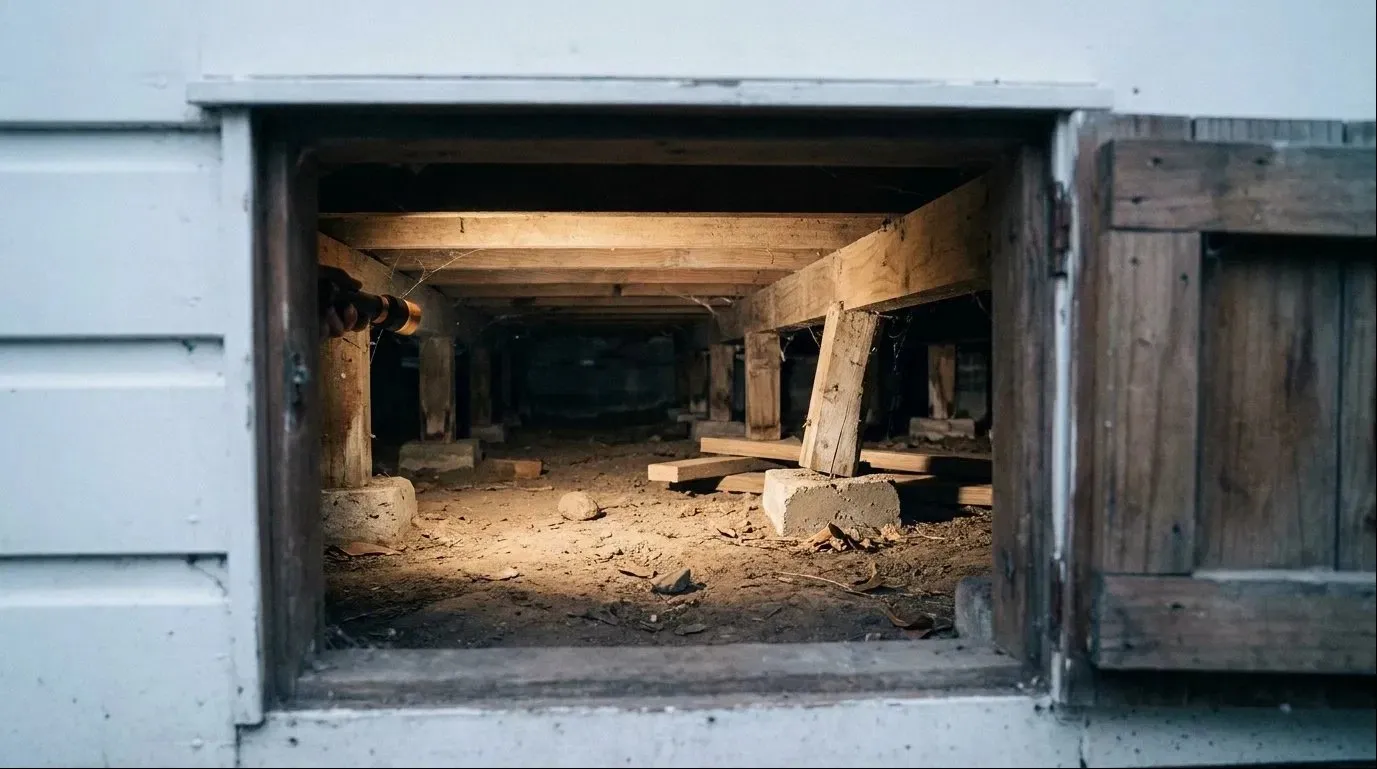
The building report came back with no major defects, mostly maintenance items. One was the subfloor. The house had been re-piled at some point, but the inspector couldn’t see proper fixings, and there was no bracing.
So we asked the sellers, through the agent. Who did the work, was it consented, can you confirm it was done properly. They didn’t know. They had bought the house a few years earlier and, as far as we could tell, hadn’t gone into any of this when they bought. They couldn’t say who did the earlier work or whether it needed consent. They weren’t sure about the roof, the piles or the wiring either. No repairs and no price adjustment: buyers were to bid on the basis the price was final.
Our clients ordered the council property file. No consent for the re-piling. Then they got a builder under the house. He found the house sitting on undersized timber piles, some missing altogether, and no bracing. His advice was a full re-pile, with a building consent. His estimate ran to six figures.
The sellers were caught off guard. They had been living on top of the problem without knowing it was there.
Our clients didn’t bid.
Don’t the agents have to tell you about defects?
Partly, yes. Agents act for the seller, but they still owe buyers duties under the agents’ code of conduct, the Real Estate Agents Act (Professional Conduct and Client Care) Rules 2012. They must not mislead you or withhold information that should in fairness be given to you (rule 6.4). They don’t have to go looking for hidden defects, but they must disclose known defects. And where a competent agent would suspect a hidden defect, they must either get the seller to confirm, with evidence or expert advice, that there isn’t one, or make sure buyers are told about the risk so they can get their own advice (rule 10.7). They can’t just fall back on “buyer beware”.
Useful, but it only goes as far as what the agent knows. In our example nobody knew what was under the floor until our clients went and looked. The code is a backstop. It isn’t your due diligence.
Is it worth the time and the money?
Honestly, pre-auction checks are a cost you carry without knowing if you’ll get the house. Building report, property file, a builder’s second look if needed, our review. You can do all of it and get outbid on the day. That’s frustrating, we get it.
But look at what it buys you. It’s one of two things:
- The checks come back fine. You bid knowing the house is worth spending the money on, and you know your number, including any work you’ll need to do after you move in. That’s a much better place to bid from than hope.
- The checks find something. You’ve dodged a bullet. For our clients in the example, the cost of the checks was a small fraction of what the re-pile alone would have cost them after the hammer fell.
Either the checks tell you the house is worth it, or they tell you to walk away. Both are worth paying for.
And if the property passes in at auction, it isn’t necessarily over. The seller may be open to negotiating afterwards, and at that point conditions can come back into the offer. The work you’ve already done means you know which ones you need.
Talk to us before auction day
If you’re looking at a property going to auction, send us the auction pack as early as you can, ideally a couple of weeks out. We’ll review the title, LIM and auction terms, tell you what we see and what needs answering, and help you get those answers before you bid. You can read more about how we help on our buying property page.
Ready to take the next step? Get in touch and fill out our quick contact form. We’ll be in touch within one business day.
Sources
- Settled.govt.nz: Buying by auctionAuction purchases are unconditional; the winning bidder signs and pays the deposit as soon as the auction is over.
- Real Estate Agents Act (Professional Conduct and Client Care) Rules 2012The agents' code of conduct. Rule 6.4 (not misleading or withholding information) and rule 10.7 (disclosing known defects).
- Real Estate Authority: Code of ConductThe regulator's page on the code of conduct for real estate licensees.
- Building Act 2004Building consents, and certificates of acceptance for work done without consent.
- Local Government Official Information and Meetings Act 1987The Act under which councils issue a LIM.
Was this article useful?
Thanks for the feedback. It helps us improve.